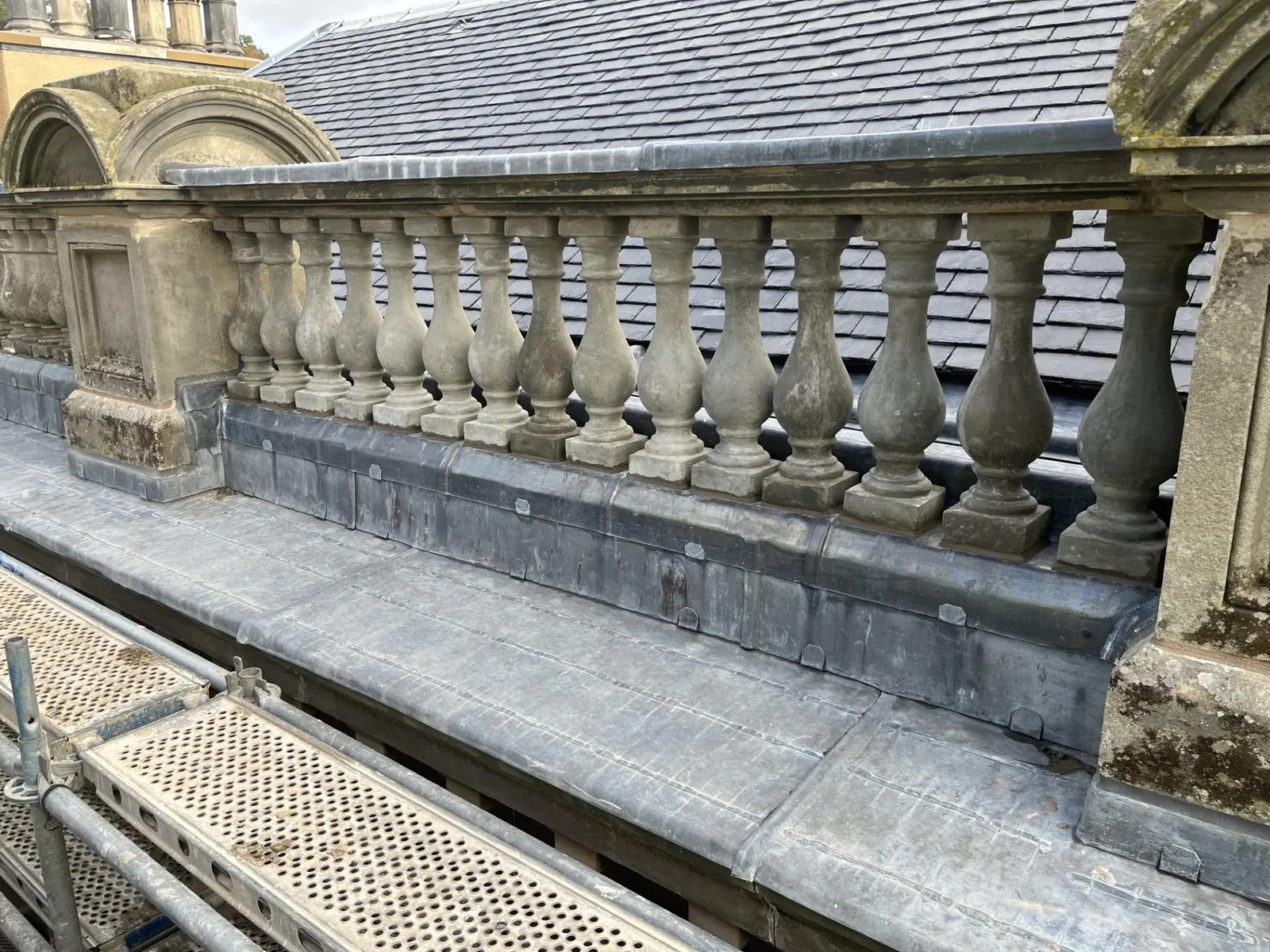
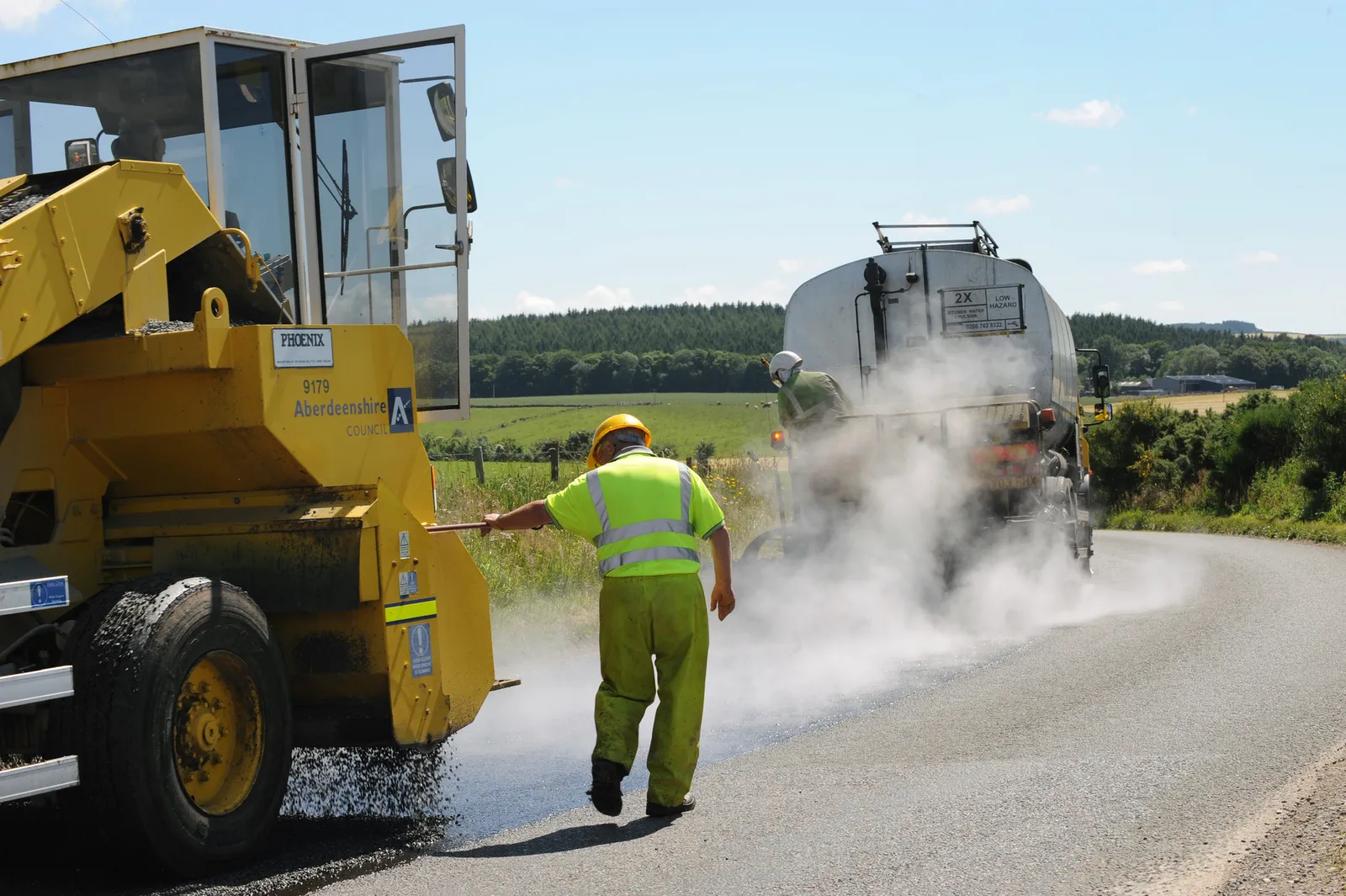
The Infrastructure Services Committee heard this week that the council is responsible for one of the largest local authority road infrastructure portfolios in Scotland. The network comprises more than 3,500 miles of roads and footways, alongside more than 1,300 bridges and structures, as well as extensive street lighting and traffic signal networks. These assets are fundamental to supporting residents, businesses, visitors, and essential public services across Aberdeenshire's urban, rural, and coastal communities.
However, the scale and value of the network present significant long-term investment challenges. The committee was told that replacing the current roads assets would cost more than £4.3 billion. This figure breaks down into £3,346,955,000 for carriageways, £586,000,000 for bridges and structures, £278,833,000 for footways, £94,703,000 for street lighting, and £1,740,000 for traffic signals. To put this into perspective, the entire remainder of the council’s physical assets—including schools, offices, leisure facilities, investment properties, and heritage assets—has a combined value of just under £2.2 billion.
Councillors were reminded that unlike buildings, roads are used intensively and exposed continuously to weather, overloaded traffic, and climate impacts, requiring constant investment simply to maintain their current condition. Ageing infrastructure, increasing maintenance requirements, inflationary pressures, and the growing impacts of severe weather events continue to place considerable strain on available resources. If capital and revenue funding remains at current cash levels or reduces in real terms, the council will be increasingly forced to prioritise reactive, safety-critical repairs rather than planned maintenance.
“"Aberdeenshire has one of the largest and most complex road and bridge networks in Scotland and it is under growing strain. Years of constrained funding, rising construction costs, increasingly severe weather and an ageing asset base mean that the condition of parts of our network is deteriorating faster than we can reasonably address."
Cllr Alan Turner emphasised that the council must focus resources where they protect connectivity for the greatest number of people and businesses, prioritising key routes that support the local economy and nationally important infrastructure. The council is undertaking positive approaches through continuing inspections, responding to safety defects, and using condition, risk, and route importance to prioritise planned investment. However, Turner warned that without significantly improved and sustained investment, maintaining the current condition of the entire roads and bridges network is simply not financially achievable.
The committee was reassured that the region’s bridges continue to be inspected and managed appropriately, with restrictions introduced where required. The council stated it will continue to work with partners and the Scottish Government to make the strongest possible case for the funding needed to safeguard Aberdeenshire’s vital infrastructure for the future.