A comprehensive national winter health preparedness plan has been launched in Scotland, aiming to alleviate pressures on the NHS during the colder months. The strategy, outlined by Health Secretary Angela Constance, emphasises a 'Home First' approach to healthcare and includes significant investment to tackle hospital waiting lists.
Key initiatives within the plan include an expansion of the Hospital at Home service, expected to benefit over 10,000 patients by enabling them to receive clinical care in their own residences. This is complemented by a new public awareness campaign, set to launch at the end of October, designed to guide individuals towards the most appropriate care services for their needs.
The plan also renews calls for eligible individuals to receive vaccinations against seasonal viruses, such as influenza. Last winter, flu hospitalisations affected nearly 6,700 people. Additionally, winter-specific funding, part of the £90 million announced earlier this year, will be directed towards reducing waiting lists for surgical procedures and operations. Efforts are also underway to improve patient flow through hospitals and increase bed capacity.
“"A collective effort will be critical in the months ahead as we look to support our NHS through the winter. There is a role for everyone in Scotland to play."
Ms Constance stressed the importance of accessing the right care in the right place, noting that attendances at A&E remain high and many cases could be managed more effectively through community-based services. She reiterated that A&E should be reserved for emergencies, ensuring that critical care remains available for those most in need.
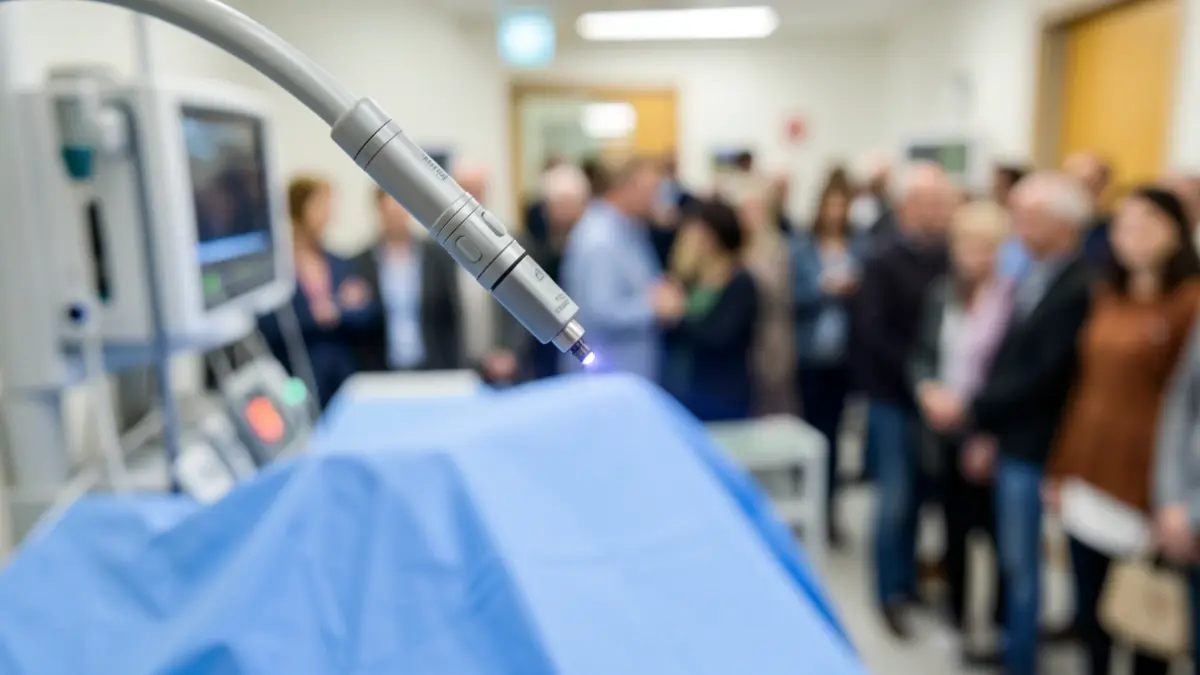
The 'Hospital at Home' model utilises the latest technology to provide care in patients' homes, aiming to prevent unnecessary hospital stays. The 'Home First' approach prioritises discharging patients as early as possible, recognising home as the optimal environment for recovery and reducing risks associated with hospitalisation, such as infection or deconditioning.