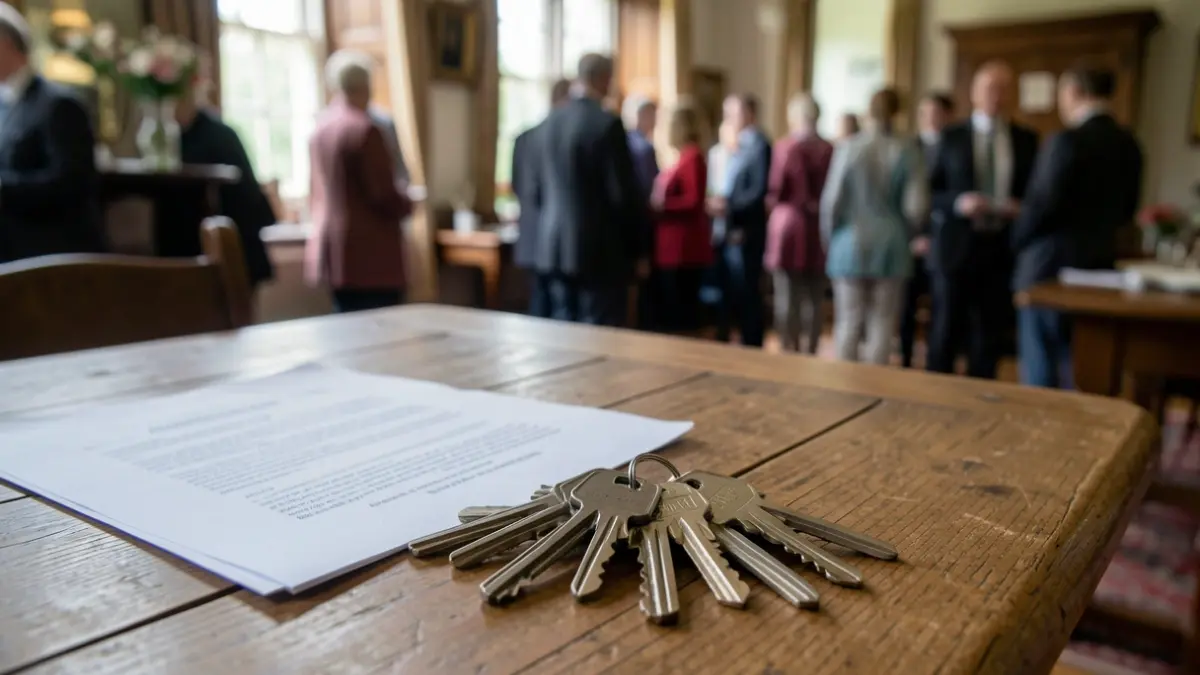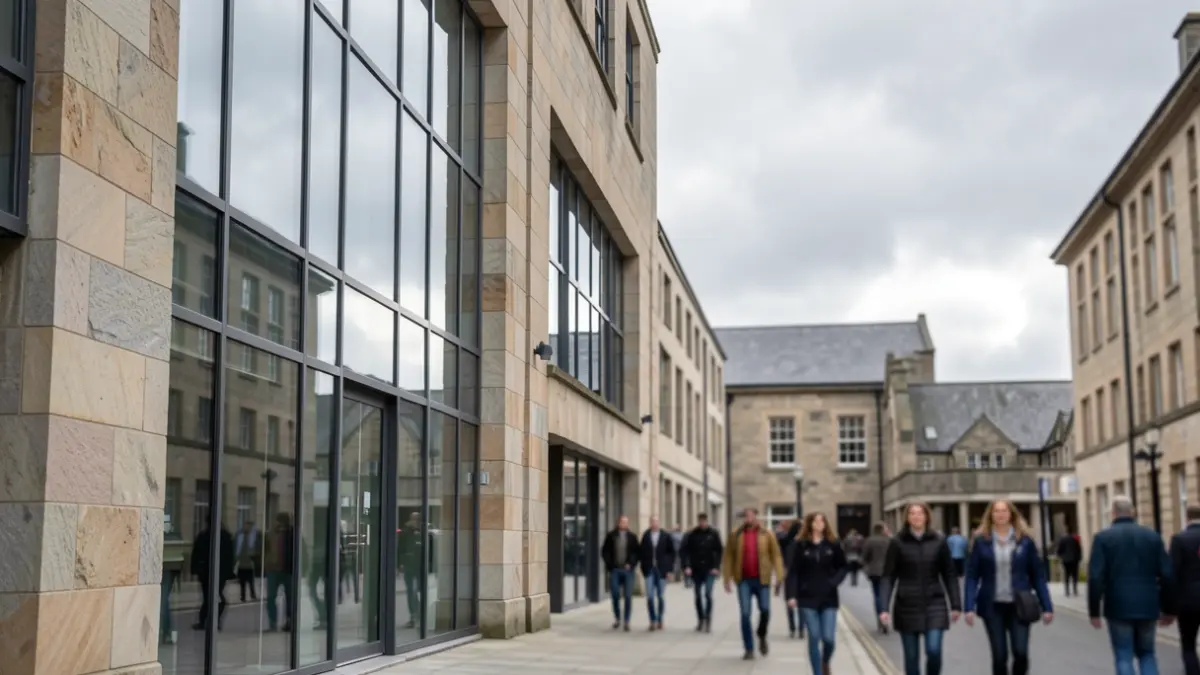
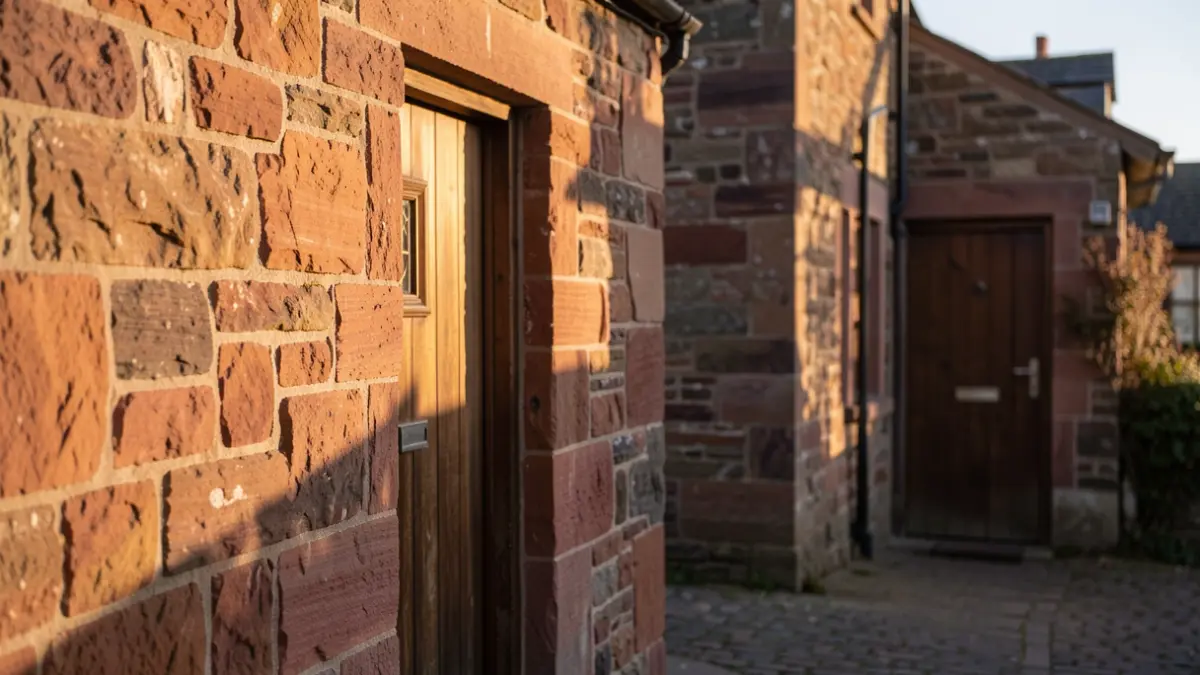
At the end of December 2025, there were 978 assets in community ownership, an increase of 34 from the same point the previous year. This figure represents more than an elevenfold increase from the 88 assets known to be community-owned since 2000, when the Scottish Land Fund was launched in 2001 to help groups take on local projects.
Legislation introduced by the Scottish Government, such as the Community Right to Buy and Asset Transfer Requests, has given communities more power to take control of assets that matter to them. The data highlights that these assets represent 554 community groups who have taken on the responsibility of owning a key piece of their local area for the benefit of their community.
“"All across the country there are incredible examples of local people taking over a building to preserve it for the future or to provide vital meeting space for people to get together or run classes to support their community. In other areas - particularly in Na h-Eileanan Siar and the Highlands - groups have taken responsibility for large areas of land to be run for the benefit of the local community, allowing them to make decisions about how it is managed and used."
The report notes specific examples of these powers in action. A group in St Andrews forced the Isle of Man-based owner of an abandoned piece of land on the High Street called Poet's Neuk to sell to them for use by the local community. This was the first community to make use of the compulsory purchase powers introduced in the Community Empowerment (Scotland) Act.
In the most recent round of awards, a group in Leith has been awarded more than £500,000 from the Scottish Land Fund to purchase the Leith St Andrews church, following the Church of Scotland’s decision to sell it. The Scottish Government stated that 2025 showed a steady increase in the number of community-owned assets, with the number almost doubling over the last decade.