Key decisions made by the Communities and Place Committee will enhance affordability and choice within Highland bereavement services at Inverness Crematorium. The changes also introduce stronger governance and transparency for charitable funding applications through the crematorium's metal recycling scheme. Furthermore, a standardised burial management plan has been adopted across Highland to ensure compliance with new national legislation.
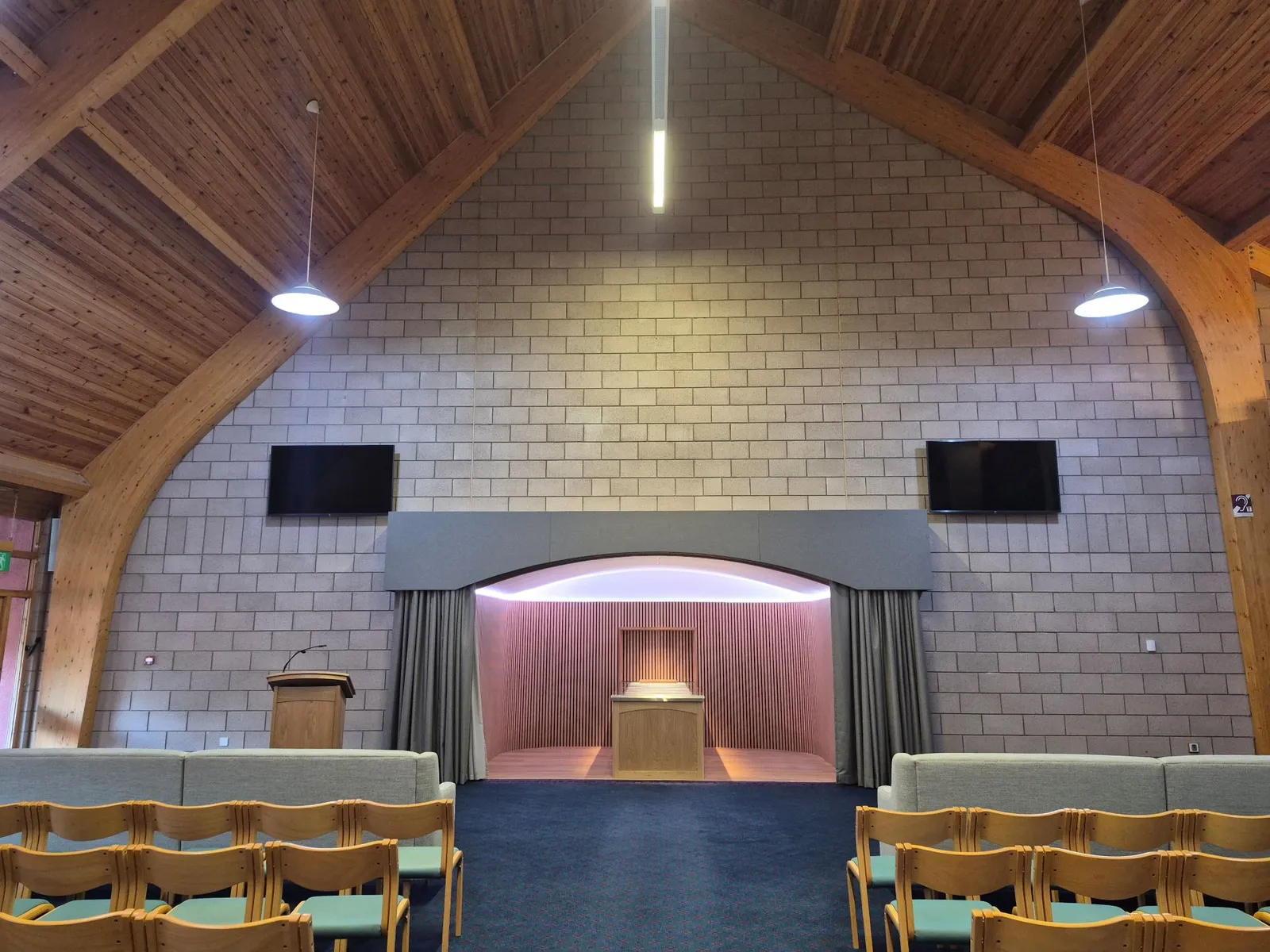
Significant progress has been made with works at Inverness Crematorium, including upgrades to the large chapel's committal area for greater flexibility during services. The small chapel has also been fully refurbished and brought back into service, offering a bright and welcoming setting for smaller funerals and direct cremations. These improvements aim to provide more choice and a more affordable burden during times of bereavement, with fees being brought closer to the Scottish average.
“"I am pleased that not only is the Council introducing new standardised policies and procedures in both Cremation and Burial Services providing more choice to people in Highland, I am also very pleased that we are making the burden of bereavement more affordable by making Highland’s fees closer and comparable to the Scottish average."
Approved changes to cremation fees and service options include a reduction in the direct cremation fee from £820 to £565, effective later this month. A new, lower-cost Reflection Service, costing £820 and including a 15-minute reflection period, one piece of music, and the display of one photograph, will be introduced in December, utilising the refurbished small chapel. These changes aim to provide more affordable funeral options and new choices between traditional services and direct cremations.
A new Charity Nomination and Governance Policy for the Inverness Crematorium metal recycling scheme was also approved. This establishes a formal and transparent process for nominating bereavement-related charitable organisations, which will be invited to apply for funding every two years. A Charity Nomination Panel, comprising council officers, a finance representative, and the Committee Chair and Vice-Chair, will select up to eight charities bi-annually, introducing annual reporting and governance arrangements. This policy aims to increase opportunities for local charities and ensure a fair, accountable process.
The Council's standard Burial Management Plan was also approved for implementation across nine area-based plans covering Badenoch and Strathspey, Caithness, Easter Ross and Cromarty, Inverness, Isle of Skye and Raasay, Lochaber, Nairn, Sutherland, and Wester Ross and Lochalsh. This plan is a requirement of the Burial (Management) (Scotland) Regulations 2025 and will formalise procedures for burial operations, maintenance, memorial safety inspections, equipment servicing, and business continuity planning, improving consistency and risk management across all council-operated burial grounds.