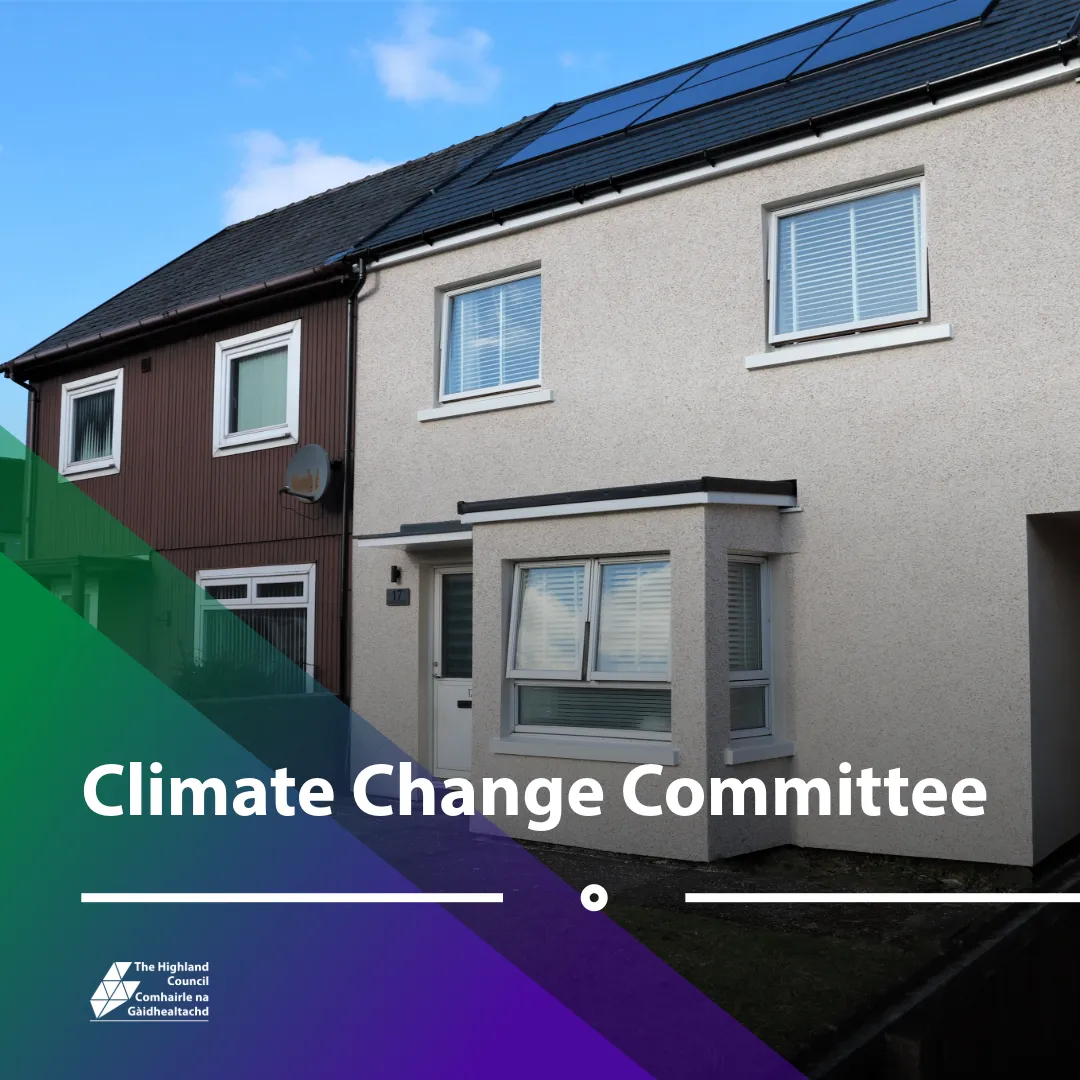
This grant funding will support retrofit and decarbonisation programmes for eligible owner occupier, private rented, and Council-owned houses across the Highlands. The announcement follows reports highlighting the significant impact of the Council’s existing retrofit and energy efficiency programmes.
Cllr Kate Willis, Climate Change Committee Chair, stated: “Securing £5.4 million of external funding for 2026/27 is a hugely positive result for the Highlands and reflects the Council's strong track record in attracting investment to tackle fuel poverty, improve housing quality and reduce carbon emissions. These programmes are making a real difference to residents by helping create warmer, healthier homes, reducing energy costs and supporting our journey towards net zero.”
The investment will provide important support to communities across the Highlands, particularly at a time when many households face financial pressures. Cllr Willis added, “While significant progress has been made, we remain committed to securing further funding to improve the energy efficiency of Highland homes, supporting the alleviation of fuel poverty and improving health and wellbeing.”
This latest funding builds on a strong track record. Since 2023, the Council and its delivery contractor have secured over £28 million in external funding, supporting energy efficiency improvements in more than 1,500 homes. The programme benefits both Council-owned housing (48%) and owner-occupied or privately rented homes (52%), aiming to reduce energy demand, tackle fuel poverty, lower household energy costs, and cut carbon emissions.
The Council's commitment to improving its housing stock is further evidenced by the approved HRA Capital Plan 2027-2032, which includes £116.151 million for existing Council housing. An independent evaluation recognised the Highland Council's approach to domestic energy efficiency and fuel poverty reduction as "highly effective and innovative", with stakeholders describing its model as best practice.
Further recognition has come from the Chartered Institute of Housing Awards, where the Council's D-C project was shortlisted as a finalist in the Net Zero in Housing category for its contribution to reducing carbon emissions and mitigating fuel poverty.