Forestry and Land Scotland encourages responsible exploration of diverse fungal species emerging in woodlands during the autumn season.
By Kirsty Lennox
••3 min read
AI
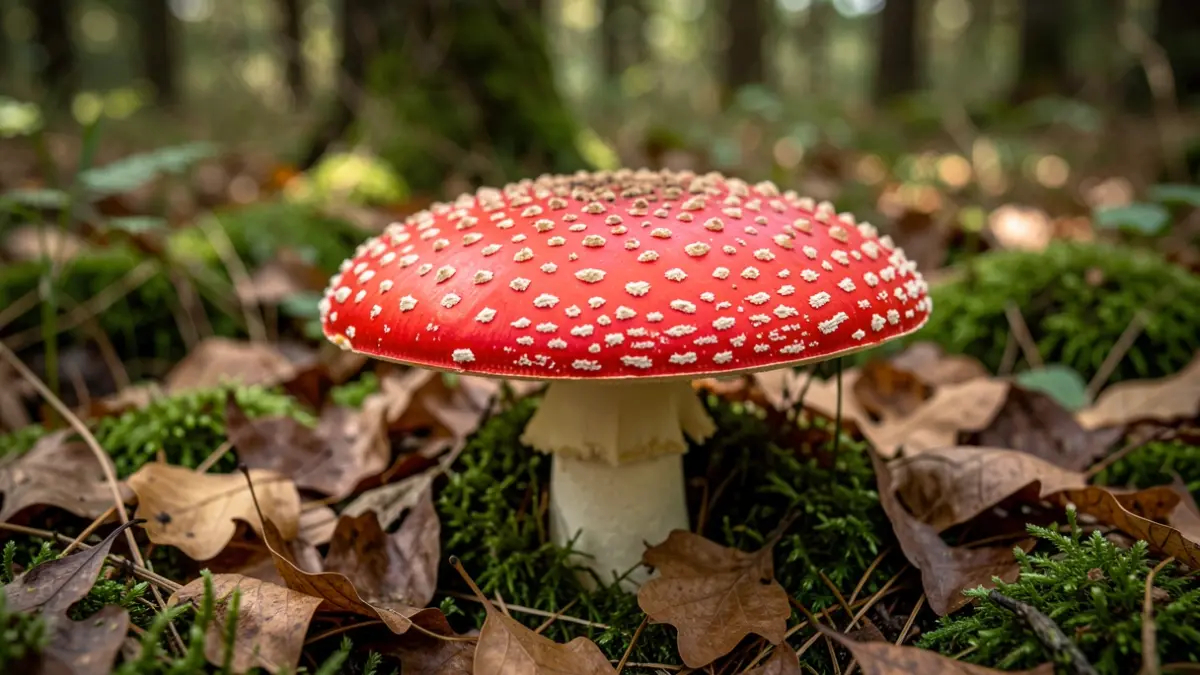
A striking red Fly Agaric mushroom with white spots, nestled amongst moss and leaves on a forest floor in Scotland.
As autumn's colours paint Scotland's forests, Forestry and Land Scotland (FLS) invites the public to responsibly explore the remarkable fungi emerging, highlighting their vital role in healthy ecosystems.
Autumn's ideal conditions of increased rainfall and warm temperatures are fostering a vibrant display of fungi across Scotland's woodlands. Forestry and Land Scotland (FLS) is encouraging visitors to explore this fascinating natural phenomenon responsibly.
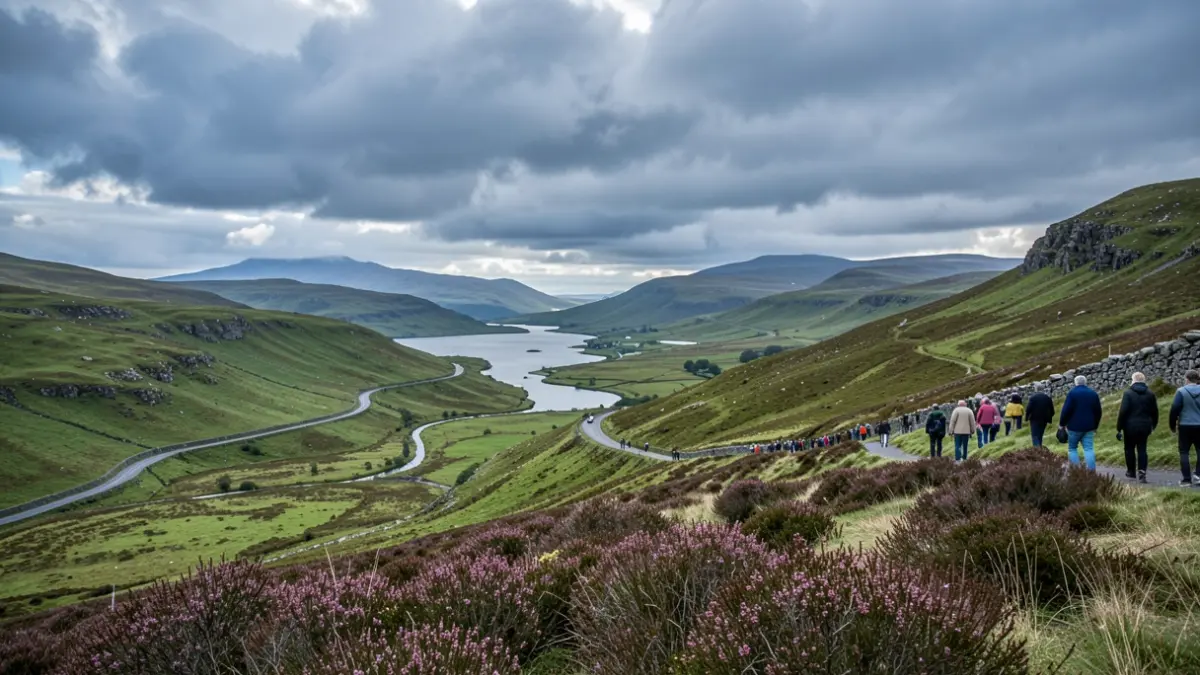
A recent guided fungi walk in Glenmore Forest Park, organised by the Aviemore and Glenmore Community Trust and led by FLS Regional Visitor Services Manager Paul Hibberd, showcased some of these important organisms. Participants learned about fungi identification, folklore, habitats, and their crucial role in maintaining healthy forest ecosystems.
“
"Fungi are some of the most important and overlooked organisms in our forests and the event gave participants an opportunity to learn about fungi identification, folklore, habitats and the vital role these organisms play in maintaining healthy forest ecosystems. It's always rewarding to help people discover how these remarkable organisms support the health and resilience of our woodland ecosystems. Fungi provide essential food for other wildlife, including places for many insects to lay their eggs."
Fungi, belonging to their own biological kingdom, are neither plants nor animals. They obtain nutrients from organic matter and, while mushrooms are the visible fruiting body, much of the organism exists underground as mycelium. These organisms form beneficial partnerships with trees through mycorrhiza, aiding water and nutrient absorption, and also break down dead matter, returning nutrients to the soil.
With around 15,000 species in the UK, identification is challenging. Experts consider characteristics such as cap shape, colour, texture, stem and gill structure, smell, and spore colour. Visitors might spot striking species like the bright red Fly Agaric, Hoof Fungus growing on hardwood trees, and Sulphur Tuft often found on deadwood.
“
"The recent fungi walk highlighted the incredible diversity and importance of fungi within Scotland's forests. As autumn progresses, I encourage people to take time to explore not only Glenmore Forest Park but also their local woodland trails, discover the species around them and learn more about the hidden networks that help keep forests thriving. But remember, it’s important that when exploring, please do so responsibly by sticking to established paths, following the Scottish wild mushroom code, minimising disturbance so we can all help to protect these fragile forest habitats for wildlife and future visitors."
FLS manages Scotland's national forests and land to support sustainable forestry, conserve the environment, deliver benefits for people and nature.