Fungi, a distinct biological kingdom separate from plants and animals, play a vital role in forest health. Unlike plants, they obtain nutrients from living or dead organisms. While all mushrooms are fungi, not all fungi produce mushrooms, which are the reproductive fruiting bodies.
Autumn provides ideal conditions for mushroom growth due to increased moisture and still-warm temperatures, coupled with the nutrient-rich leaf litter. Identifying the approximately 15,000 species in the UK is challenging, with identification methods including cap shape, texture, colour, stem, flesh, gills, spore colour, smell, occurrence, and habitat association.
Fungal organisms, much like icebergs, consist of a vast underground network of threads called mycelium, which transports essential nutrients. This mycelium can have parasitic, beneficial, or mutualistic relationships with other organisms. Mycorrhizal fungi, for instance, form a symbiotic relationship with trees, exchanging water and nutrients for sugars and carbon.
Fungi are also crucial decomposers of deadwood and leaves, returning vital nutrients to the soil, which supports a wide range of plant and animal life. Certain fungi species are closely associated with specific tree types, such as those found in birch woods, often named after the tree itself.
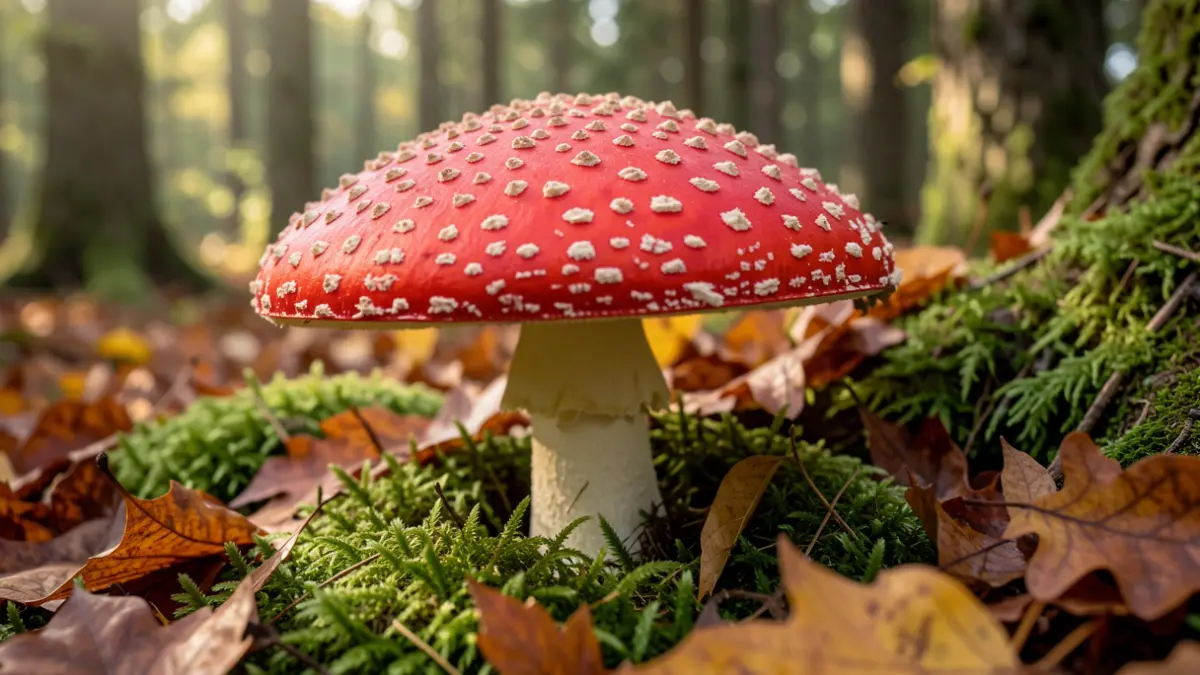
Commonly spotted fungi this autumn include the striking Fly Agaric, known for its vibrant red cap and white spots, linked to folklore and historically used to kill flies due to its toxic properties. The Hoof Fungus, also called Tinder Fungus, is found on hardwoods and was historically used for its slow-burning properties to transport fire. The Sulphur Tuft, visible year-round in clusters on decaying wood, plays a key role in nutrient recycling.